10 Practical Tips for Implementing AI Chatbots in Higher Education
The promise of AI chatbots in higher education sounds straightforward: answer student questions instantly, reduce staff workload, improve support. The reality involves more nuance, surprises, and practical considerations than the initial pitch suggests.
After implementing chatbot solutions across multiple universities in South Africa, we’ve learned what separates successful deployments from disappointing ones. Here are the lessons that might save you time and frustration if you’re considering a similar path.
1. Good Data In, Good Answers Out
No matter how sophisticated your AI, it’s only as good as the information you feed it. The best deployments start with a comprehensive content audit. This involves working with admissions, finance, and academic teams to ensure all source material is accurate, current, and clearly written.
Universities need systems for uploading and managing documents, FAQs, and policy manuals across multiple formats. More importantly, they need processes for keeping this content updated, especially before major cycles like registration or exams.
Practical Tip💡
If your information is fragmented or outdated, students will get frustrated with the bot quickly. The institutions that succeed make content management a priority from day one and assign clear ownership for keeping it current.
2. Use AI Analytics to Find Your Blind Spots
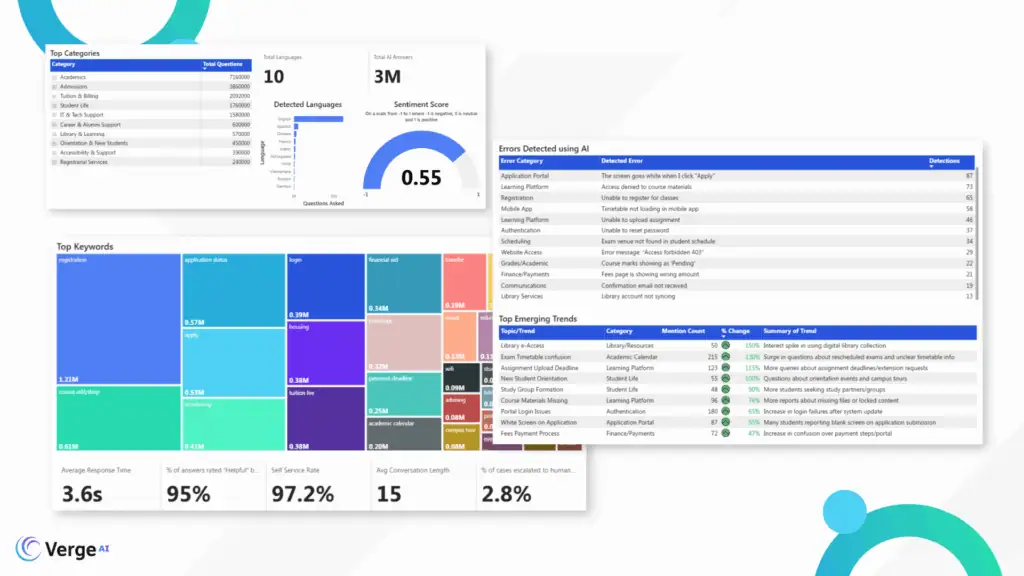
Even with the most thorough preparation, students will surprise you with questions you never anticipated. One of the most valuable features is comprehensive conversation logging and trend analysis. Staff can see exactly what students are asking, when they’re asking it, and where they’re hitting dead ends.
Use your analytics to understand which topics come up most frequently, where students might be confused, or when technical errors are reported. Regularly reviewing this data helps identify gaps in your knowledge base. More importantly, it reveals what students really need (often information you didn’t even realise was missing or unclear).
Practical Tip 💡
Use the data and analytics to continuously improve both your bot and your broader information strategy.
3. Get Staff on Board Early
Staff buy-in often determines whether a deployment succeeds or fails. Initial scepticism is normal, but it can turn to enthusiasm when staff see practical benefits that make their lives easier.
Features like push notifications for at-risk students, bulk messaging, and voice support for accessibility needs often spark staff imagination about new possibilities.
Practical Tip 💡
Invest time in collaborative workshops where staff can explore the system and brainstorm use cases. When they see how it can save time and help them reach students more effectively, they become advocates rather than obstacles.
4. Don’t Underestimate Multilingual Support
If your institution serves students who speak different languages, multilingual support is essential. What we’ve found particularly powerful is that modern AI can handle this without requiring separate training for each language.
Our platform EduBot, for example, handles 100+ languages automatically, drawing from the same knowledge base. This means international students can ask questions in their preferred language and get accurate, immediate help.
Practical Tip 💡
Students are much more likely to use the system when they can communicate in their preferred language, and it requires no additional setup or training. It’s a game-changer for accessibility and student satisfaction.
5. Make Human Handoff Simple and Clear
AI handles most queries effectively, but some situations need human intervention. The ability for students to easily escalate while preserving the full conversation history is crucial for user experience.
When students can seamlessly move from bot to human without repeating their issue, they stay satisfied even when the AI couldn’t help them. The conversation history transfers with them, so staff can jump right into problem-solving.
Practical Tip 💡
Have a small team ready to handle live chat during peak periods. Plan your staffing around peak usage times and communicate response expectations clearly.
6. Academic Calendar Planning Is Critical
Student needs change predictably with the academic calendar. Registration queries peak in January, financial aid questions surge before deadlines, and exam stress builds in November. Successful deployments anticipate these patterns.
Build this seasonal thinking into your chatbot strategy. Refresh your homepage answers, most-asked questions, and other important content before busy periods hit to make sure that information is front and centre before the rush begins.
Practical Tip 💡
Map out your academic year and identify when different types of queries spike. Review your analytics after each term to refine your predictions and prepare better content for next time.
7. Meet Students Where They Are: Go Mobile
Most students interact with your institution primarily through their phones, usually through platforms like WhatsApp or SMS. Deploying the same system across your website, WhatsApp, SMS, and other channels meets students where they already are.
WhatsApp deployment particularly shows high engagement, especially when combined with features like voice notes and easy multimedia sharing.
Practical Tip 💡
Optimise everything for mobile first. Consider deploying on messaging platforms that students are already familiar with. The easier you make it for students to access help, the more they’ll use it, and the more time your staff saves.
8. Build Feedback Into Every Interaction
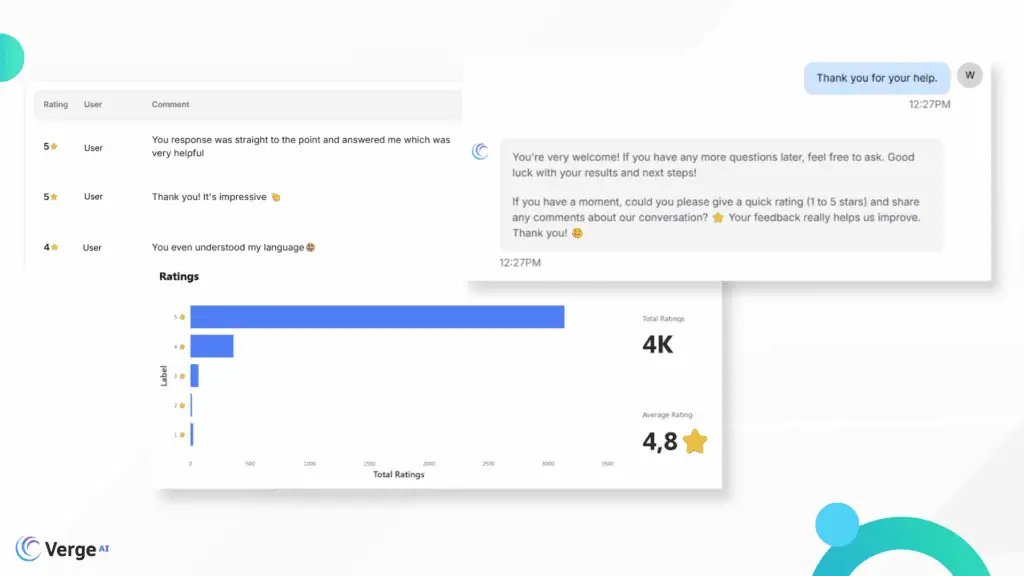
Every chat session is a chance to learn something. Built-in feedback collection after conversations (both ratings and open-ended comments) gives you key insights for system improvement and a broader student support strategy.
Track satisfaction trends over time and take constructive criticism seriously. Students notice when their feedback leads to actual improvements.
Practical Tip 💡
Feedback isn’t just for improving the bot. It’s intelligence about your entire student support operation.
9. Handle Sensitive Topics with Extra Care
AI can be remarkably empathetic, but some conversations require human intervention. The system needs to respond appropriately to mental health concerns, financial crises, academic failures, and other sensitive topics. Alert systems that notify staff when certain keywords are detected help blend AI with human intervention.
Practical Tip 💡
Work with student affairs and counselling teams to define escalation triggers and response workflows. The goal is to ensure no student falls through the cracks while maintaining appropriate boundaries.
10. Success Stories Drive Institutional Adoption
Nothing builds momentum like visible results. When your chatbot starts making a real difference (answering thousands of questions, earning positive ratings, reducing response times), share those wins!
Celebrate milestones in staff meetings and student communications. Share stories about how the chatbot helped during busy periods or made information accessible to students who might have struggled to find it otherwise.
Practical Tip 💡
Success breeds success, and visible wins help build campus-wide support.
The Bigger Picture
Successful chatbot implementations do more than automate. They provide insight into student needs, staff workflows, and institutional communication patterns. They reveal gaps in information, highlight support trends, and create opportunities for more proactive, inclusive engagement.
The technology itself is just the starting point. What makes the difference is thoughtful implementation, ongoing refinement, and keeping student needs at the centre of every decision. When you get that right, AI chatbots can transform how your institution supports student success.
At Verge AI, we’ve built EduBot specifically with these lessons in mind. It’s designed not just as a chatbot, but as a complete student engagement platform that grows with your institution’s needs. But regardless of which solution you choose, these principles will help set your implementation up for success.
Want to learn more or see EduBot in action?
Contact Verge AI for a demo or to discuss how we can help your institution reimagine student support.